
We start from the outcome, not the syllabus
The first question is never which course you want. It is what somebody should be able to do on the Monday that they cannot do on the Friday. A syllabus that is not tied to that is just a reading list.
Training across Africa, the Middle East and live online
Most training fails quietly. Everybody enjoys the two days, nothing changes, and nobody says so. These are the things we do differently to avoid that, written plainly enough that you can hold us to them.
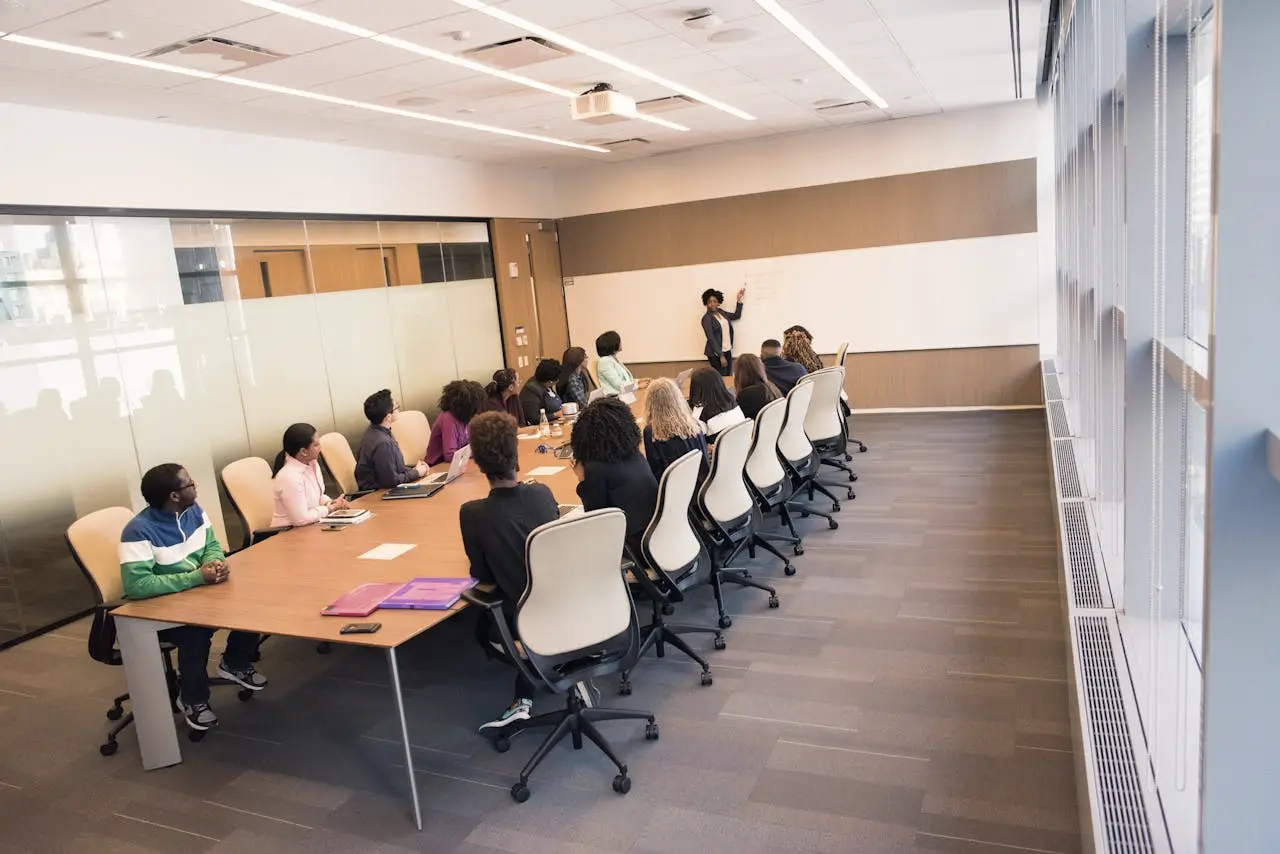
The first question is never which course you want. It is what somebody should be able to do on the Monday that they cannot do on the Friday. A syllabus that is not tied to that is just a reading list.
Generic case studies are comfortable and forgettable. Wherever the material allows it, delegates bring their own contracts, their own registers, their own reports, and leave having already applied the method to the thing they actually have to fix.
Every programme is delivered by somebody who has held the role, not only studied it. It shows in the questions they can answer, which are usually the ones nobody wrote a slide for.
A room where nobody asks anything is a room where nothing was learned. Group sizes are kept to the point where a facilitator can notice who has stopped following.
Sometimes the gap is a process problem wearing a training costume, and a course will not touch it. We would rather say that and keep the relationship than sell a programme that cannot work.